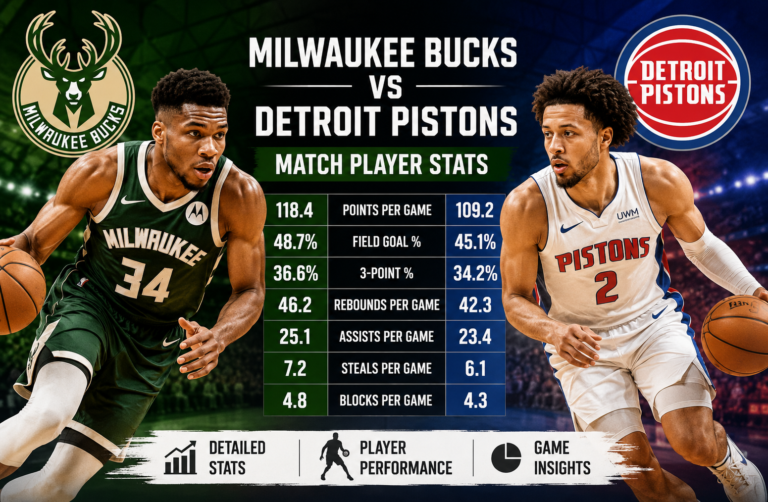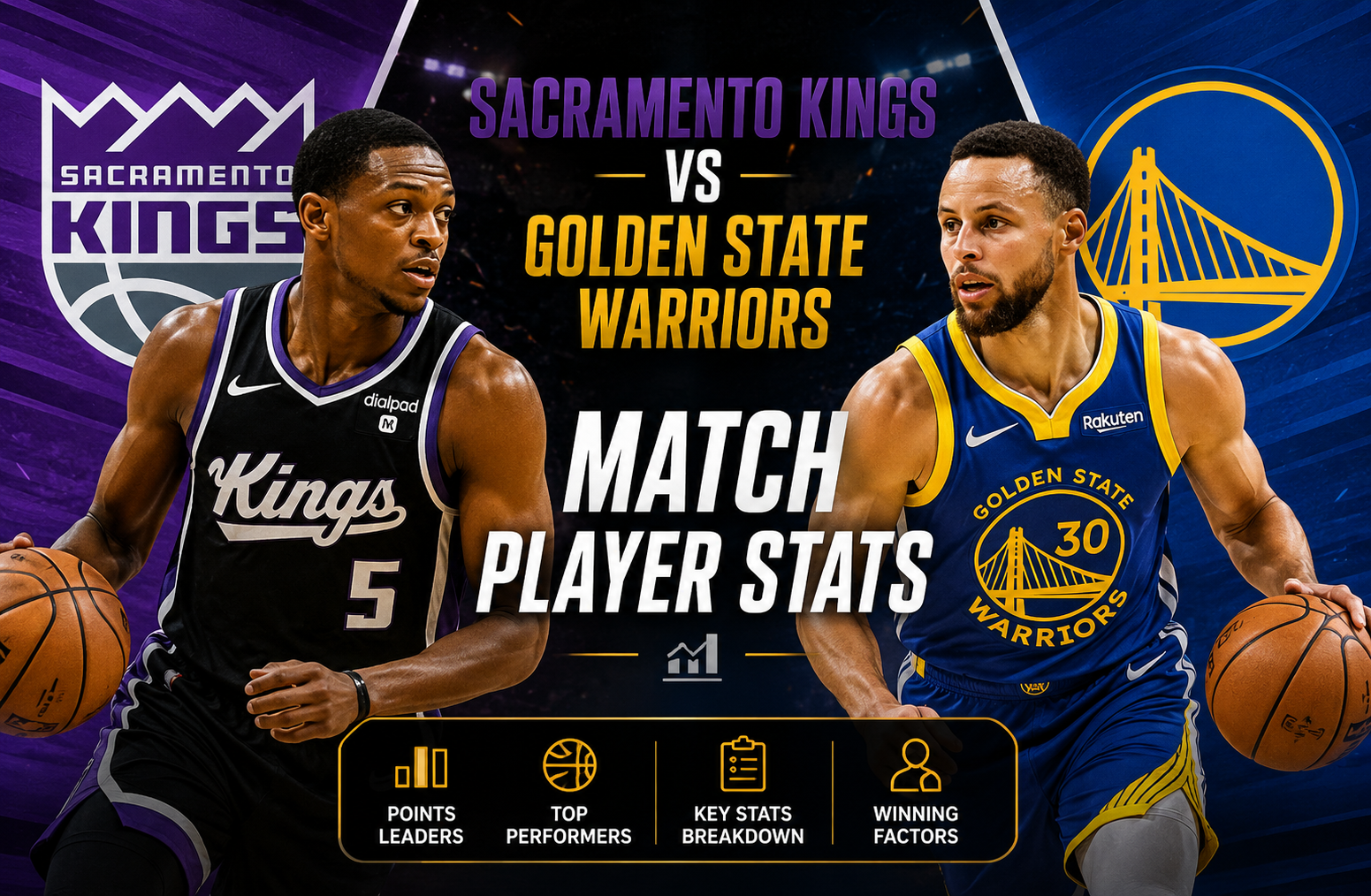
Sacramento Kings vs Golden State Warriors Match Player Stats
The Sacramento Kings vs Golden State Warriors Match Player Stats tell a much deeper story than a basic box score. Every meeting between these Pacific Division rivals reveals tactical adjustments, individual brilliance, defensive breakdowns, and momentum swings that shape the Western Conference playoff picture. Fans searching for Sacramento Kings vs Golden State Warriors Match Player Stats usually want more than points and rebounds. They want context, standout performances, winning patterns, and insights into how specific players influence the outcome.
Few NBA rivalries in recent seasons have become as entertaining as Sacramento facing Golden State. The matchups combine elite shooting, fast-paced offense, physical interior play, and emotional intensity. From Stephen Curry’s perimeter dominance to De’Aaron Fox’s explosive transition attacks, these games often feel like playoff basketball even during the regular season.
This detailed breakdown explores player performances, advanced statistical trends, tactical matchups, and game-changing factors that consistently decide these contests. Instead of repeating surface-level stats, this guide explains what the numbers actually mean and why certain performances matter more than others.
Why These Matchups Matter in the Western Conference
The Warriors represent championship experience, offensive structure, and elite spacing. Sacramento brings youth, speed, offensive aggression, and one of the NBA’s most improved systems under modern pace-and-space basketball.
What makes this rivalry fascinating is the stylistic contrast:
- Golden State relies heavily on movement shooting, off-ball screens, and quick ball circulation
- Sacramento thrives in transition offense and downhill attacking guards
- Both teams prefer fast tempo
- Defensive consistency often determines the winner
- Bench production regularly swings momentum
Over the last few seasons, these matchups have produced playoff-level intensity because both franchises understand the importance of divisional positioning and postseason seeding.
Sacramento Kings vs Golden State Warriors Match Player Stats Analysis
The Sacramento Kings vs Golden State Warriors Match Player Stats often reveal one recurring pattern: star efficiency matters more than total scoring volume.
A player scoring 35 points on poor shooting rarely impacts the game as much as a player scoring 28 points efficiently while creating opportunities for teammates. This becomes especially true in Warriors vs Kings games because both teams generate high-possession contests.
Key statistical categories that usually decide these matchups include:
Shooting Efficiency
Field goal percentage alone can be misleading. The more important indicators are:
- Effective field goal percentage
- Three-point efficiency
- Shot quality
- Transition conversion rate
Golden State typically wins when their perimeter shooting exceeds league average. Sacramento usually controls games when they attack the paint consistently and force defensive collapses.
Turnovers
One overlooked factor in these games is live-ball turnovers. Against fast-paced teams, turnovers immediately become transition scoring opportunities.
When Golden State commits careless passes, Sacramento’s guards capitalize quickly. When Sacramento loses ball control, the Warriors punish defenses with transition threes.
Bench Production
Bench scoring frequently changes the entire rhythm of these contests.
Warriors second-unit success usually depends on:
- Floor spacing
- Veteran composure
- Ball movement
- Defensive switching
Kings bench success often comes from:
- Energy bursts
- Transition offense
- Interior scoring
- Aggressive perimeter defense
Stephen Curry’s Statistical Impact
No discussion about this rivalry is complete without analyzing Stephen Curry’s influence.
Curry affects games even when he is not scoring heavily because his movement changes defensive positioning. Sacramento often commits extra defensive attention to him beyond the three-point line, which creates space for teammates.
Typical elite Curry performances against Sacramento include:
- High-volume three-point shooting
- Efficient scoring in clutch moments
- Strong assist totals from defensive collapses
- Off-ball movement that disrupts defensive schemes
One important observation from watching these games closely is how Sacramento adjusts coverage late in games. Early possessions may feature standard switching, but fourth-quarter situations usually involve traps or aggressive hedge coverage.
This tactical adjustment can reduce Curry’s scoring while opening opportunities for secondary scorers.
De’Aaron Fox and Transition Dominance
De’Aaron Fox remains one of the fastest guards in basketball, and his speed becomes especially dangerous against Golden State.
Fox’s impact goes beyond points:
- He accelerates offensive tempo
- He pressures defenders into fouls
- He collapses defensive spacing
- He creates open perimeter shots
In many Kings victories, Fox’s fourth-quarter production becomes the defining factor.
One noticeable trend in Sacramento Kings vs Golden State Warriors Match Player Stats is that Fox’s free-throw attempts often correlate strongly with Sacramento wins. When he consistently attacks the rim instead of settling for perimeter shots, Sacramento’s offense becomes far more difficult to contain.
Domantas Sabonis vs Warriors Interior Defense
Domantas Sabonis creates unique problems for Golden State because of his physicality and playmaking.
His contributions typically include:
- Double-double production
- High screen-assist numbers
- Interior rebounding control
- Half-court offensive orchestration
Sabonis is especially effective against smaller lineups because he forces defensive mismatches near the basket.
Golden State often responds with:
- Aggressive double teams
- Frontcourt switching
- Rotational help defense
- Faster pace to reduce half-court post possessions
What makes Sabonis valuable is not just scoring. His passing from the high post frequently initiates Sacramento’s best offensive sequences.
Klay Thompson’s Role in Momentum Swings
Although Curry receives most defensive attention, Klay Thompson often becomes the momentum-changing player.
In many Warriors wins against Sacramento, Thompson contributes:
- Timely perimeter shooting
- Defensive wing coverage
- Fast scoring bursts
- Transition spacing
One key factor analysts sometimes overlook is emotional rhythm. Thompson historically performs better when he gets early shot opportunities. Sacramento often attempts to disrupt this by applying physical perimeter defense during the first quarter.
When Thompson starts quickly, Golden State’s offense becomes significantly harder to contain.
Draymond Green’s Defensive Influence
Traditional stats rarely capture Draymond Green’s full impact.
His contributions include:
- Defensive communication
- Rotational coverage
- Fast-break initiation
- Screen facilitation
- Emotional leadership
Against Sacramento, Green’s defensive versatility becomes critical because the Kings attack from multiple angles.
A recurring pattern appears in close games:
- If Green controls defensive organization, Golden State limits transition damage
- If Sacramento forces chaotic possessions, Green’s influence decreases
His assist totals also matter more than many casual viewers realize because they reflect offensive flow and spacing effectiveness.
Malik Monk and Sixth-Man Energy
Malik Monk frequently changes the pace of these games.
His strengths include:
- Aggressive scoring
- Isolation shot creation
- Instant offense from the bench
- Transition finishing
Monk’s production becomes especially valuable when Sacramento’s starters rest.
In several high-scoring meetings between these teams, Monk’s second-unit offense prevented Golden State from regaining momentum.
One fascinating statistical trend is that Monk’s assist numbers often increase when Golden State traps primary ball handlers aggressively.
Three-Point Shooting Trends
Three-point efficiency consistently shapes outcomes between these teams.
Golden State traditionally attempts higher-volume perimeter shots, while Sacramento balances perimeter scoring with interior pressure.
Important observations include:
Warriors Wins Usually Feature
- Strong catch-and-shoot percentages
- Limited rushed possessions
- Efficient corner shooting
- Better spacing consistency
Kings Wins Usually Feature
- Transition scoring balance
- Controlled pace during key stretches
- Efficient paint scoring
- Timely perimeter shooting instead of excessive volume
This distinction matters because Sacramento succeeds when they avoid turning the game into a pure three-point contest.
Defensive Matchups That Decide Games
The most important individual defensive assignments often include:
Fox vs Curry
Fox must balance offensive energy with defensive discipline. Overcommitting defensively can reduce his late-game scoring effectiveness.
Green vs Sabonis
This matchup combines physicality, passing intelligence, and rebounding battles.
Wiggins vs Sacramento Wings
Wing defense becomes crucial because Sacramento’s spacing improves dramatically when complementary scorers contribute efficiently.
Advanced Metrics That Matter More Than Basic Stats
Casual fans often focus only on points per game, but advanced indicators provide deeper insight.
True Shooting Percentage
This metric reflects scoring efficiency including:
- Field goals
- Three-pointers
- Free throws
In high-level NBA matchups, efficiency usually matters more than raw volume.
Usage Rate
Usage rate helps explain offensive responsibility.
Higher usage often means:
- More defensive attention
- Greater playmaking pressure
- Increased fatigue risk late in games
Net Rating
This statistic measures team performance while a player is on the floor.
Strong net ratings often reveal hidden impact players who contribute beyond scoring.
Coaching Adjustments and Tactical Battles
Coaching decisions significantly influence these matchups.
Golden State’s coaching approach often emphasizes:
- Motion offense
- Spacing creation
- Defensive switching
- Tempo control
Sacramento typically focuses on:
- Transition speed
- Paint pressure
- Aggressive guard play
- Quick offensive actions
One tactical detail frequently overlooked is timeout usage. Momentum shifts occur rapidly in these fast-paced games, making timely coaching adjustments extremely important.
Rebounding Battles Often Decide Outcomes
Although perimeter shooting receives most attention, rebounding quietly shapes game control.
Important rebounding factors include:
- Offensive second chances
- Transition prevention
- Defensive positioning
- Physical endurance
Sacramento usually gains advantages when Sabonis dominates the glass. Golden State counters by emphasizing team rebounding rather than relying solely on traditional centers.
Clutch-Time Performance Analysis
Close games between these teams often come down to execution during the final five minutes.
Key clutch indicators include:
Warriors Strengths
- Championship experience
- Shot creation under pressure
- Half-court spacing
- Veteran composure
Kings Strengths
- Speed advantage
- Rim pressure
- Transition opportunities
- Youthful energy
One noticeable trend is that Sacramento performs best in clutch moments when they maintain offensive aggression instead of slowing down excessively.
Injury Impact on Statistical Outcomes
Player availability dramatically changes these matchups.
Missing perimeter defenders can increase:
- Three-point percentages
- Transition opportunities
- Offensive spacing
Missing interior players can affect:
- Rebounding
- Screen effectiveness
- Paint defense
Because both teams rely heavily on rhythm and pace, even one missing rotation player can alter statistical trends significantly.
Bench Depth and Rotation Efficiency
Depth matters in high-tempo games.
Golden State often benefits from:
- Veteran experience
- Smart off-ball movement
- Structured spacing
Sacramento’s depth advantage usually comes from:
- Athleticism
- Energy
- Transition pressure
Games frequently swing during non-star minutes, making bench efficiency one of the most underrated aspects of this rivalry.
Real-World Viewing Insight From Recent Matchups
After analyzing multiple recent meetings between these teams, one consistent observation stands out: emotional momentum changes everything.
When Golden State hits consecutive perimeter shots, their confidence visibly increases and ball movement becomes sharper.
When Sacramento forces turnovers and attacks quickly, their energy level rises dramatically and defensive pressure improves.
This emotional rhythm explains why statistical runs happen so quickly between these franchises.
How Analytics Explain Winning Patterns
Modern NBA analytics reveal several consistent winning indicators in these games:
Teams Usually Win When They
- Limit live-ball turnovers
- Control transition defense
- Shoot efficiently from the corners
- Win second-chance opportunities
- Avoid excessive isolation offense
The numbers consistently show that balanced offensive flow outperforms hero-ball scoring.
Young Players to Watch
Beyond established stars, emerging contributors increasingly influence this rivalry.
Young role players often determine:
- Defensive energy
- Hustle possessions
- Bench scoring
- Transition opportunities
These contributions may not dominate headlines, but they regularly impact final outcomes.
Why Fans Love This Rivalry
The popularity of this matchup extends beyond standings.
Fans enjoy these games because they feature:
- Fast pace
- Elite shooters
- Emotional intensity
- Competitive endings
- Star-level talent
- Playoff atmosphere
Unlike slower defensive matchups, Kings vs Warriors contests usually remain entertaining from start to finish.
Statistical Categories Fans Should Track Live
During future games, viewers should focus on these categories:
- Turnover differential
- Fast-break points
- Three-point efficiency
- Free-throw attempts
- Bench scoring
- Rebounding margin
- Fourth-quarter efficiency
These indicators often predict momentum shifts before the scoreboard fully reflects them.
The Future of the Rivalry
Both franchises remain highly relevant in the Western Conference landscape.
Golden State continues relying on championship-tested veterans, while Sacramento builds around younger stars entering their prime years.
This contrast creates compelling long-term storylines:
- Experience versus athleticism
- Half-court execution versus pace
- Veteran IQ versus youthful explosiveness
As roster development continues, future Sacramento Kings vs Golden State Warriors Match Player Stats will likely reveal even more strategic evolution.
Common Challenges Each Team Faces
Challenges for Golden State
- Maintaining defensive consistency
- Managing veteran workload
- Limiting turnovers
- Interior rebounding
Challenges for Sacramento
- Defensive discipline
- Half-court execution under pressure
- Perimeter containment
- Consistent playoff-level composure
Whichever team solves these issues more effectively usually gains the competitive edge.
What Makes Individual Stats Misleading Sometimes
Basketball statistics require context.
For example:
- A high scorer may hurt spacing efficiency
- Low-scoring players can dominate defensively
- Assist totals may depend on teammate shooting
- Rebound numbers can reflect team strategy
Understanding context separates informed analysis from surface-level interpretation.
FAQs
Why are Sacramento Kings vs Warriors games usually high scoring?
Both teams prefer fast offensive pace, transition scoring, and perimeter shooting. This creates more possessions and higher point totals.
Which player usually impacts these matchups the most?
Stephen Curry and De’Aaron Fox typically influence momentum the most because their offensive styles shape team tempo and spacing.
Why is rebounding important in these games?
Rebounding controls second-chance opportunities and transition defense, both of which heavily influence fast-paced matchups.
Does bench scoring matter in this rivalry?
Yes. Bench production frequently changes momentum when starters rest, especially during second and fourth quarters.
Which advanced stat best explains player efficiency?
True shooting percentage provides one of the clearest indicators because it includes field goals, three-pointers, and free throws.
Why do turnovers matter so much between these teams?
Both teams capitalize quickly in transition, meaning live-ball turnovers often become immediate scoring opportunities.
Conclusion
The Sacramento Kings vs Golden State Warriors Match Player Stats reveal far more than individual box scores. These games showcase strategic basketball, emotional momentum, elite guard play, and modern NBA offensive evolution. While stars like Stephen Curry, De’Aaron Fox, and Domantas Sabonis naturally attract attention, the deeper statistical story often involves efficiency, transition control, bench production, and defensive adaptability.
Understanding these matchups requires looking beyond points per game and recognizing how pace, spacing, turnovers, and coaching adjustments shape outcomes. That is what makes this rivalry one of the NBA’s most compelling modern battles.