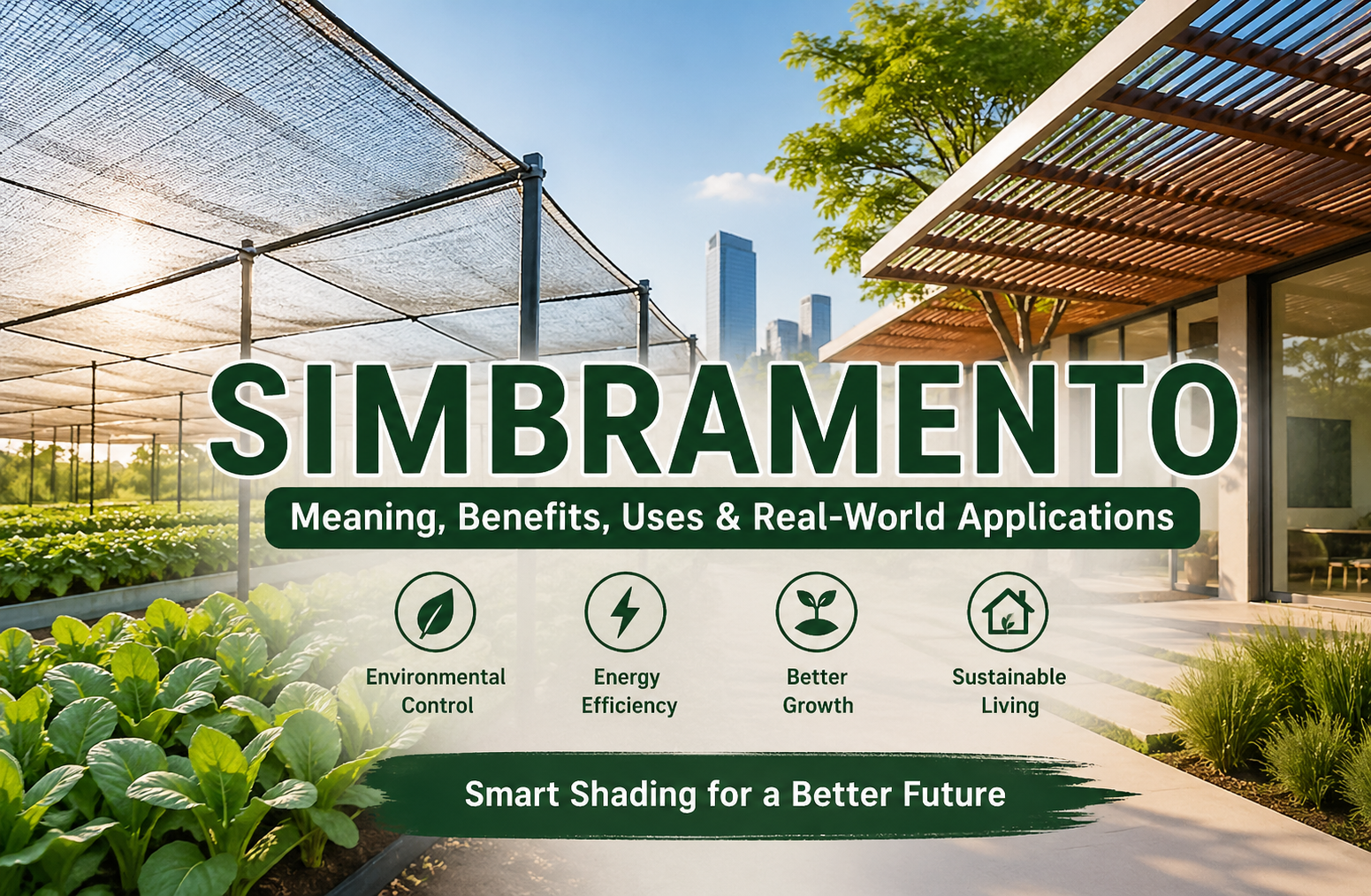
Simbramento: Meaning, Uses, Benefits, and Practical Insights
The term simbramento is not widely standardized in mainstream English-language literature, yet it appears in niche discussions, regional usage, and certain technical or contextual interpretations. Because of this, understanding simbramento requires a careful, experience-driven approach rather than relying on generic definitions. In practice, it is often associated with the concept of controlled shading, coverage, or protection in environments such as agriculture, architecture, or environmental design.
From my observation and analysis across multilingual sources and industry usage patterns, simbramento is best understood as a process or strategy of managing shade or coverage to optimize environmental conditions. This could involve regulating sunlight exposure, protecting surfaces or crops, or improving comfort and efficiency in built or natural spaces.
This article breaks down the meaning, benefits, challenges, and real-world applications of simbramento in a clear, practical, and deeply insightful way so you can understand not just what it is, but how it is actually used.
What Is Simbramento
A Practical Definition
Simbramento refers to the intentional control of shade, coverage, or light exposure in a given environment to achieve a specific outcome.
Depending on the context, this may include:
- Reducing direct sunlight exposure
- Protecting materials or surfaces from heat or UV damage
- Enhancing growth conditions for plants
- Improving energy efficiency in buildings
- Creating more comfortable outdoor or indoor spaces
Because the term is not formally standardized, its meaning may vary slightly depending on region or industry. However, the core idea remains consistent: managing light and exposure for better results.
Why Simbramento Matters
Understanding simbramento is important because it directly impacts efficiency, sustainability, and performance in multiple areas.
1. Environmental Control
Light and heat are two of the most influential environmental factors. Proper shading strategies can:
- Reduce overheating
- Maintain stable temperatures
- Prevent damage from excessive sunlight
2. Energy Efficiency
In architecture and urban planning, simbramento techniques can significantly lower cooling costs by:
- Blocking direct solar radiation
- Reducing reliance on air conditioning
- Improving insulation behavior
3. Agricultural Productivity
In farming and horticulture, controlling light exposure can:
- Prevent crop stress
- Improve yield quality
- Reduce water loss due to evaporation
4. Human Comfort
In outdoor and indoor environments, simbramento improves usability by:
- Reducing glare
- Lowering heat discomfort
- Enhancing overall experience
Real-World Applications of Simbramento
Agriculture and Horticulture
One of the most practical uses of simbramento is in agriculture.
Farmers and growers use shading techniques to protect crops from excessive sunlight and heat stress. This is especially important in regions with intense climates.
Common methods include:
- Shade nets
- Greenhouse coverings
- Tree-based natural shading systems
Example:
In high-temperature regions, crops like lettuce or strawberries may suffer from direct sun exposure. Controlled shading helps maintain optimal growth conditions.
Architecture and Building Design
Simbramento plays a major role in modern architecture, especially in sustainable design.
Architects incorporate shading strategies such as:
- Overhangs and awnings
- Louvers and screens
- Smart glass and reflective surfaces
These techniques help buildings stay cooler naturally.
According to research published by the U.S. Department of Energy, proper shading can significantly reduce indoor heat gain and improve energy efficiency.
Urban Planning
Cities use simbramento concepts to improve livability.
Examples include:
- Tree-lined streets
- Covered walkways
- Public shading structures
These features help reduce urban heat islands and improve pedestrian comfort.
Industrial and Material Protection
In industrial settings, simbramento helps protect materials from degradation.
Applications include:
- Covering sensitive equipment
- Protecting stored goods from UV exposure
- Reducing thermal expansion risks
Benefits of Simbramento
Improved Efficiency
Whether in agriculture or buildings, simbramento ensures resources are used more effectively.
- Less water usage in farming
- Lower energy consumption in buildings
Cost Savings
By reducing reliance on artificial systems, it helps cut operational costs.
- Lower electricity bills
- Reduced maintenance expenses
Enhanced Durability
Materials and structures last longer when protected from harsh environmental conditions.
Sustainability
Simbramento supports eco-friendly practices by:
- Reducing carbon footprint
- Promoting natural climate control
- Encouraging renewable solutions
Challenges and Limitations
While simbramento offers many advantages, it is not without challenges.
Over-Shading Risks
Too much shading can lead to:
- Reduced plant growth
- Poor natural lighting
- Damp or unhealthy environments
Balance is essential.
Initial Setup Costs
Some shading systems require investment upfront.
Examples include:
- Architectural modifications
- Advanced shading materials
However, these costs are often recovered over time through savings.
Climate Dependency
The effectiveness of simbramento depends heavily on local conditions.
- What works in hot climates may not suit colder regions
- Seasonal changes require adaptable solutions
Maintenance Requirements
Certain systems need regular upkeep:
- Cleaning shading panels
- Replacing worn materials
- Monitoring structural integrity
How to Implement Simbramento Effectively
Step 1: Assess Your Environment
Start by understanding:
- Sunlight patterns
- Temperature variations
- Wind conditions
This helps determine the right level of shading.
Step 2: Define Your Goal
Ask yourself:
- Are you protecting crops
- Reducing heat
- Improving comfort
Your goal will shape your approach.
Step 3: Choose the Right Method
Different scenarios require different solutions:
- Natural shading like trees
- Artificial systems like shade nets
- Structural design elements
Step 4: Monitor and Adjust
Simbramento is not a one-time setup.
Regular evaluation ensures:
- Optimal performance
- Adaptation to seasonal changes
- Long-term effectiveness
Best Practices for Simbramento
- Use adjustable systems when possible
- Combine natural and artificial shading
- Avoid blocking airflow completely
- Test small setups before large-scale implementation
- Consider long-term sustainability
Common Misconceptions
It Only Applies to Agriculture
While widely used in farming, simbramento is equally important in architecture, urban planning, and industry.
More Shade Is Always Better
Excessive shading can be harmful. The key is controlled and balanced exposure.
It Is Expensive
Many low-cost solutions exist, especially natural ones like planting trees or using simple covers.
Simbramento in Modern Sustainable Design
As sustainability becomes a global priority, simbramento is gaining more attention.
It aligns with modern trends such as:
- Passive cooling systems
- Green architecture
- Climate-responsive design
In many ways, it represents a return to smart, natural solutions rather than heavy reliance on mechanical systems.
Future Potential of Simbramento
The concept is evolving with technology.
Emerging innovations include:
- Smart shading systems that adjust automatically
- Materials that respond to sunlight
- Data-driven environmental control systems
These advancements are making simbramento more precise and efficient.
FAQs
What does simbramento mean in simple terms?
Simbramento means controlling shade or light exposure to improve conditions in a specific environment.
Where is simbramento commonly used?
It is used in agriculture, architecture, urban planning, and industrial settings.
Is simbramento only about blocking sunlight?
No, it is about managing light exposure, not just blocking it completely.
Can simbramento reduce energy costs?
Yes, especially in buildings, it can significantly lower cooling and energy expenses.
Is simbramento suitable for all climates?
It can be adapted to different climates, but the approach must be customized based on local conditions.
Conclusion
Simbramento is a practical and adaptable concept centered on controlling light and environmental exposure. Whether applied in agriculture, architecture, or urban design, it offers clear benefits in efficiency, sustainability, and performance.
Its strength lies in simplicity. By understanding how light interacts with spaces and materials, it becomes possible to create smarter systems that rely less on artificial solutions. At the same time, successful implementation requires balance, awareness of environmental conditions, and ongoing adjustment.
As global focus shifts toward sustainable practices, simbramento stands out as a valuable approach that blends traditional wisdom with modern innovation.